
Bhutan
Discover the Enchanting Kingdom of Bhutan
Nestled in the lap of the eastern Himalayas, Bhutan, the “Land of the Thunder Dragon,” is a mystical paradise where tradition meets natural beauty. Renowned for its unspoiled landscapes, vibrant culture, and warm hospitality, Bhutan is a haven for travelers seeking peace, adventure, and inspiration.
Why Visit Bhutan?
Breathtaking Scenery: From snow-capped peaks to lush valleys and pristine rivers, Bhutan’s landscapes are a nature lover’s dream.
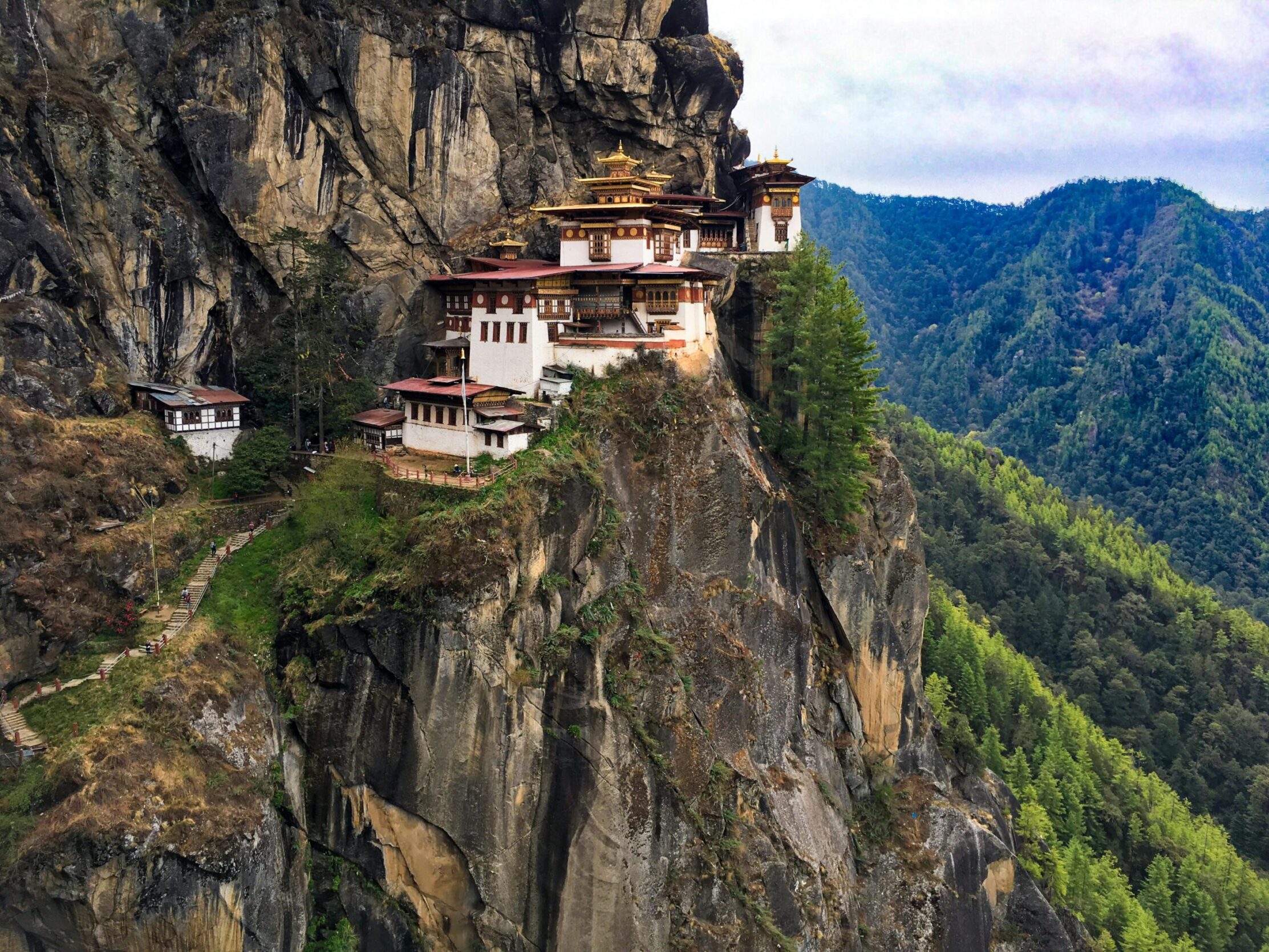
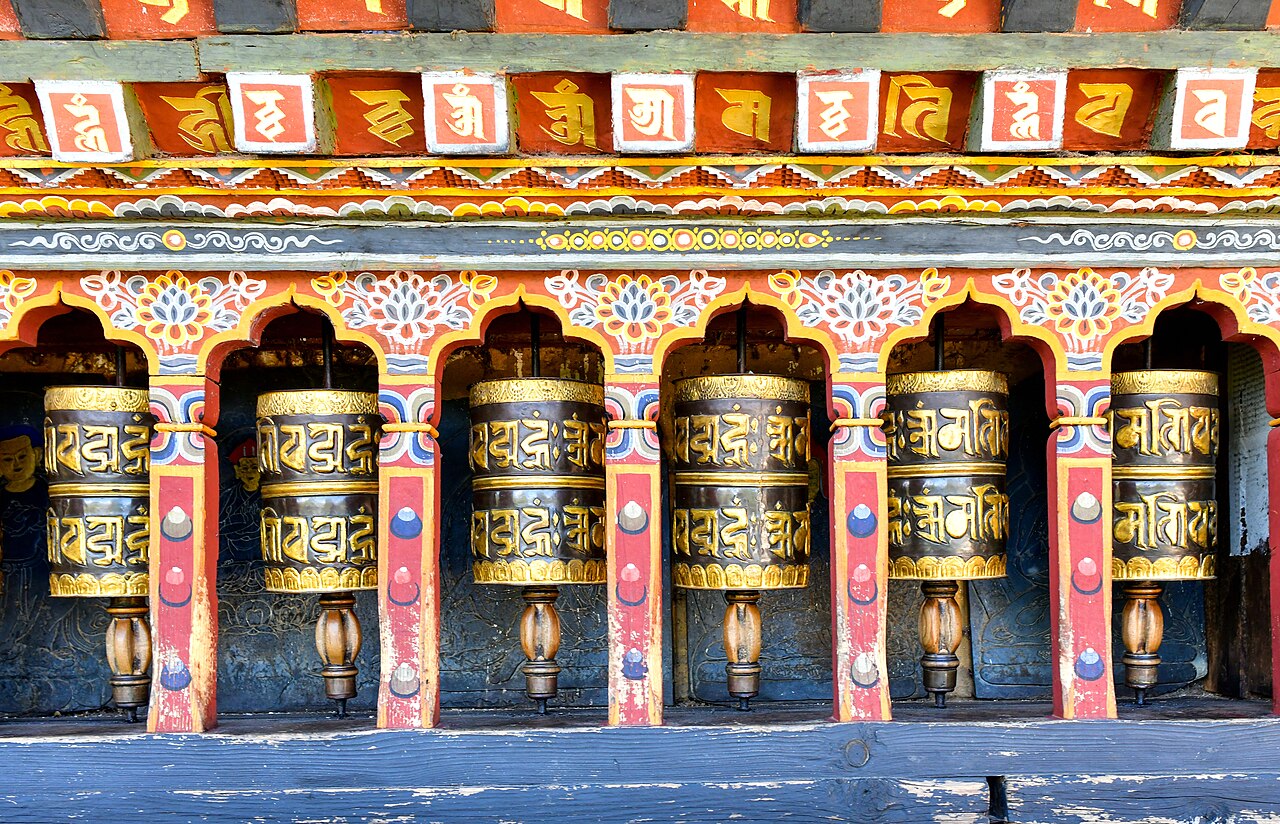
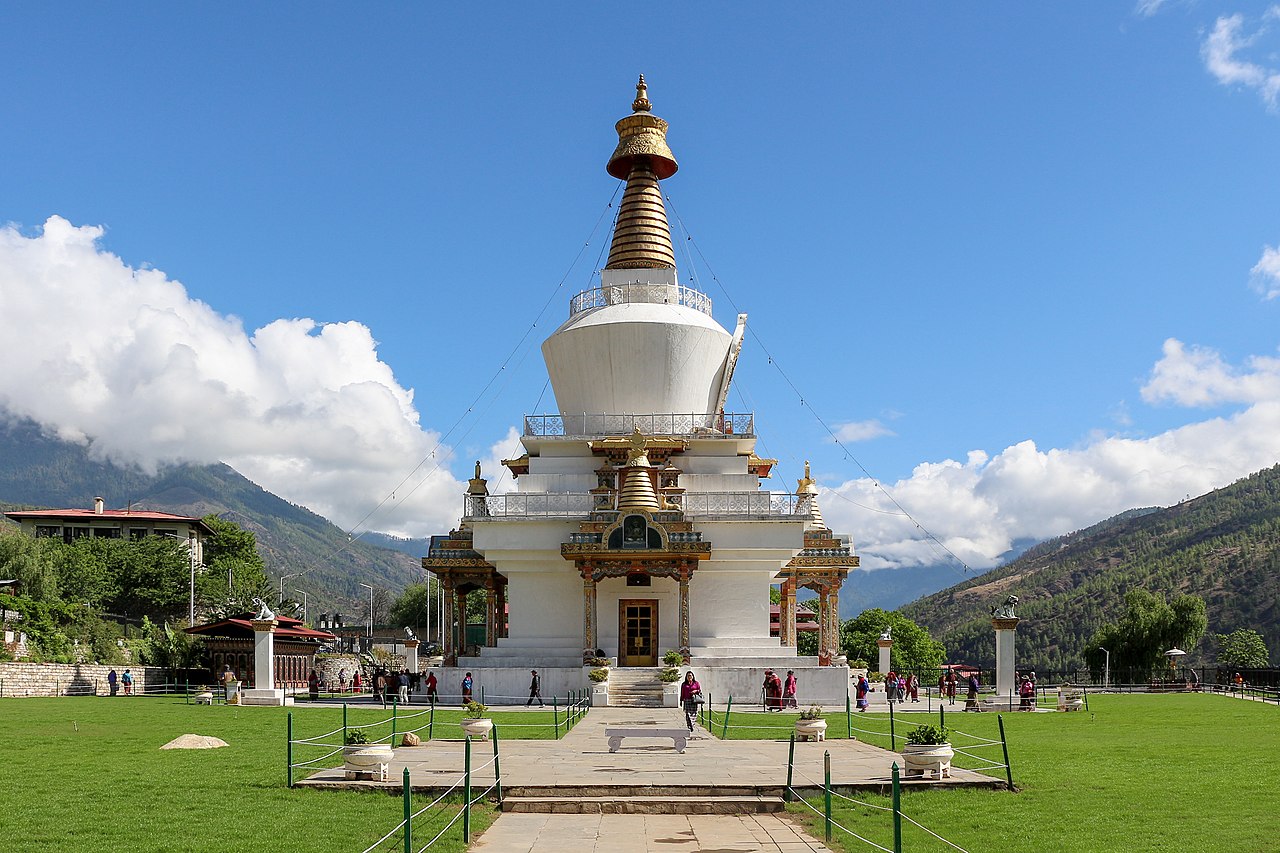
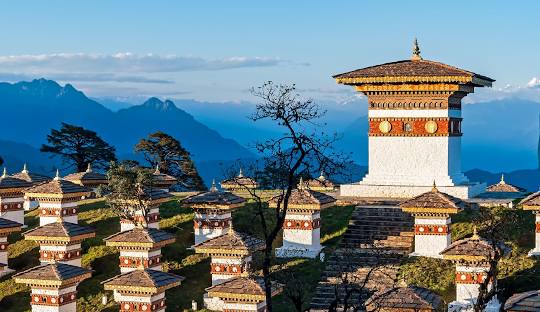
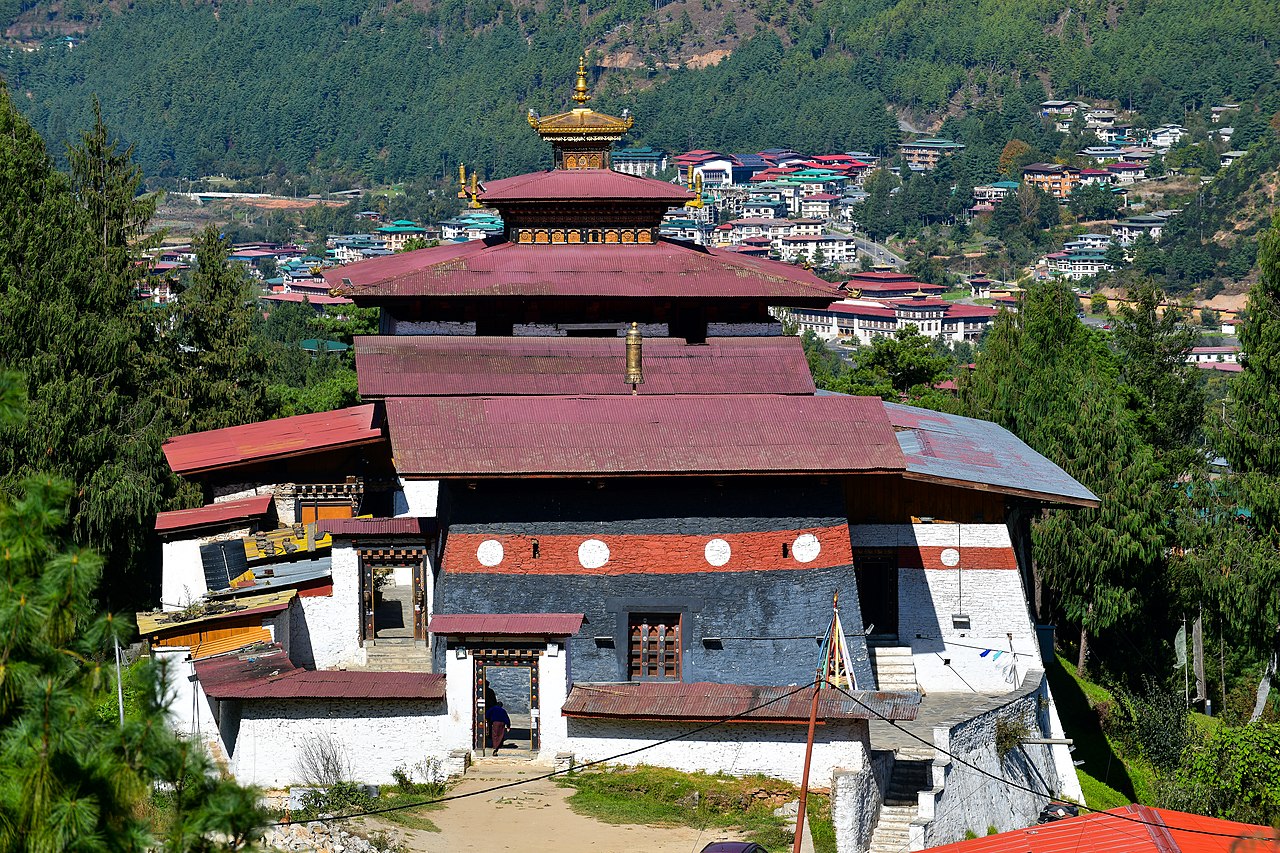
Rich Cultural Heritage: Immerse yourself in centuries-old traditions, explore stunning monasteries like the iconic Paro Taktsang (Tiger’s Nest), and experience the colorful festivals that bring the nation to life.
Gross National Happiness: Unlike anywhere else in the world, Bhutan prioritizes happiness over material wealth, creating a unique and serene environment.
Adventure Awaits: Trek through the Himalayas, raft down roaring rivers, or simply enjoy the tranquility of this untouched kingdom.
Top Attractions:
Paro Valley: Home to the Tiger’s Nest Monastery and serene landscapes.
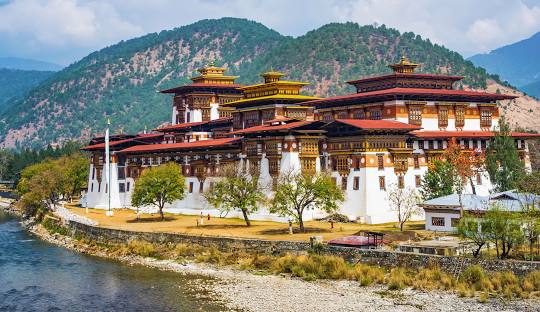
Punakha Dzong: A masterpiece of Bhutanese architecture.
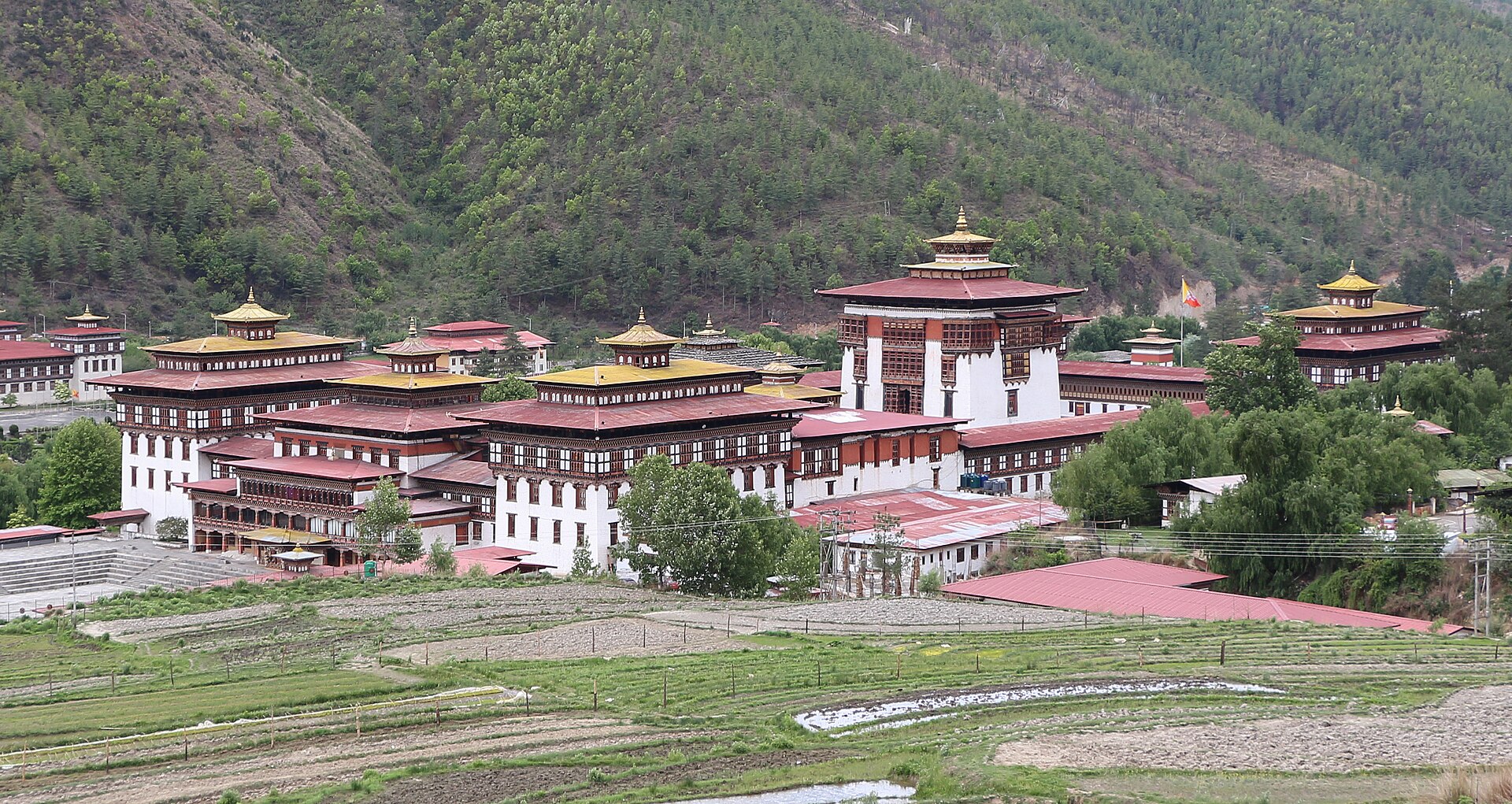
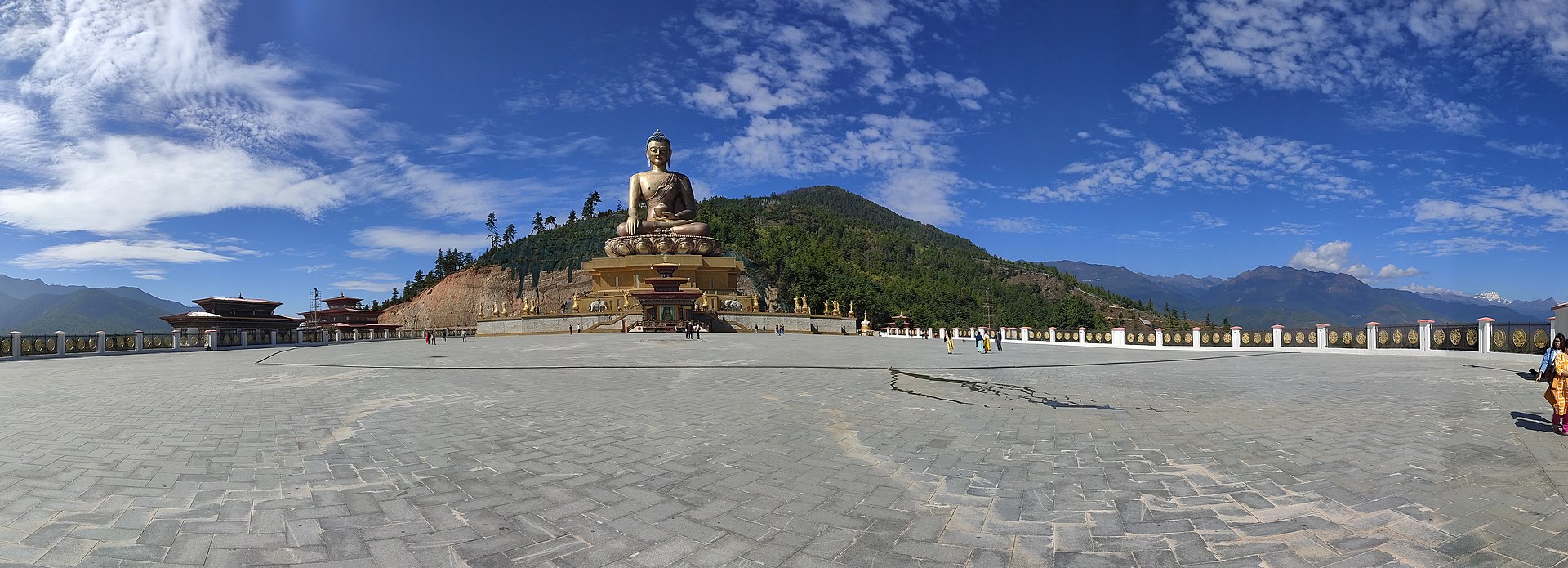
Thimphu: Bhutan’s capital, blending modernity with tradition.
Phobjikha Valley: A winter haven for the endangered black-necked cranes.
Bumthang Valley: Known as the spiritual heart of Bhutan, dotted with ancient temples and monasteries.
Hiking
Hiking is an outdoor activity that involves walking in natural environments, often on trails or paths in forests, mountains, or hills. It’s a popular way to connect with nature, enjoy fresh air, and experience scenic landscapes. Hiking can range from easy, short walks to challenging, multi-day treks. It promotes physical fitness, mental relaxation, and a sense of adventure, making it suitable for people of all ages and skill levels. Essential gear includes sturdy shoes, weather-appropriate clothing, and water, ensuring a safe and enjoyable experience.
Sightseeing
Tourism is travel for pleasure or business; also the theory and practice of touring, the business of attracting, accommodating, and entertaining tourists, and the business of operating tours. Tourism may be international, or within the traveller’s country. The World Tourism Organization defines tourism more generally, in terms which go “beyond the common perception of tourism as being limited to holiday activity only”, as people “traveling to and staying in places outside their usual environment for not more than one consecutive year for leisure, business and other purposes”.
Travel
Dedicated road bicycles have drop handlebars and multiple gears, although there are single and fixed gear varieties. Road bikes also use narrow, high-pressure tires to decrease rolling resistance, and tend to be somewhat lighter than other types of bicycle. The drop handlebars are often positioned lower than the saddle in order to put the rider in a more aerodynamic position. In an effort to become more aerodynamic, some riders have begun using aerobars.
And when aerobars where invented is unclear but they seem to date back to the early 1980s. The light weight and aerodynamics of a road bike allows this type of bicycle to be the second most efficient self-powered means of transportation, behind only recumbent bicycles due to the latter’s higher aerodynamic efficiency.
Mountain bikes fitted with slick or semi-slick are also popular for commuters. Though less efficient, the upright riding position allows the cyclist a better view of traffic, and they can also be readily fitted with mudguards, cargo racks and other accessories. Mountain bikes are usually ridden on unpaved roads and tracks but they are not to be confused with cyclocross bikes.